How Cybercriminals Turn QR Codes into Phishing Tools
01 / Blog Article
Quishing Explained
Billboards. Restaurant menus. Payment apps. Product packaging. These are some of the common places where QR codes can be found, inviting users to scan and perform specific actions thereafter.
The same QR codes that made contactless life easier during the pandemic are now being weaponized by cybercriminals through a tactic known as “quishing” or “QR code phishing”.
Tech giant IBM rightfully describes it as “a threat hiding in plain sight”.
Our latest piece explores what “quishing” is, how it works, and ways individuals and organizations can protect themselves from QR-driven attacks.
What Is Quishing?
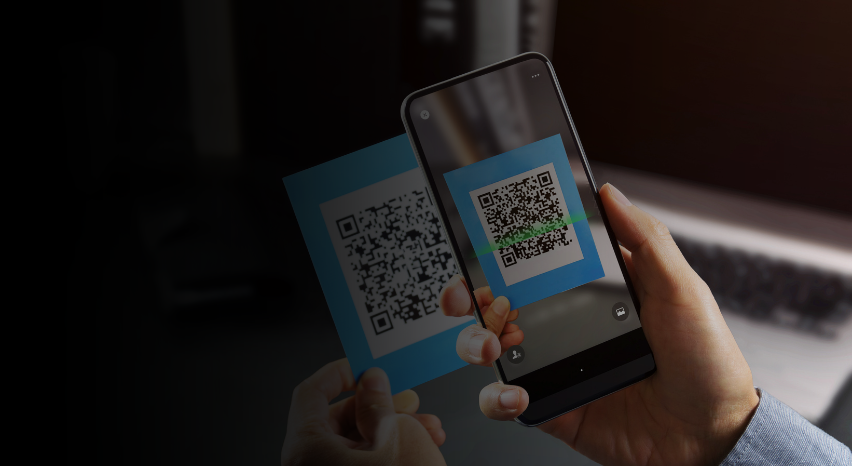
Quishing is a portmanteau of QR (Quick Response) and phishing. It is a type of cyberattack where cybercriminals use QR codes to trick victims into revealing sensitive information or downloading malware.
This form of cyberattack is an evolution of phishing, because it eliminates the suspicion associated with clicking malicious links.
Attackers disperse these fraudulent QR codes through various means, including email, business cards, and flyers. Because these codes are images, they typically bypass traditional email security filters that check for text-based links, making it more likely that recipients fall victim.
Through QR codes, threat actors simplify the phishing process, exploiting the trust users place in them. Once scanned, they direct users to websites that mimic legitimate web pages to steal credentials or install malware.
Why Quishing Is So Effective
Scanning QR codes has become part of everyday life, from businesses facilitating payments to marketers using them for customer engagement. The convenience and familiarity of this interaction are exactly what cybercriminals exploit for the following reasons:
Hidden destinations: The URL embedded in a QR code is invisible until scanned, preventing users from verifying it.
Casual behavior: Scanning happens quickly and instinctively, lowering users’ caution and making them vulnerable to fraudulent sites.
False trust: Placement on physical items such as flyers or business cards gives QR codes a sense of legitimacy, which cybercriminals exploit.
Security blind spots: Email filters and text-link scanners rarely detect image-based threats like QR codes.
Limited awareness: As an emerging attack tactic, quishing is not widely covered in traditional security training. For this reason, many users remain unaware of its risks.
How to Prevent Quishing
With QR code phishing on the rise, both organizations and individuals share responsibility in countering this growing threat. Below are key measures to help prevent or reduce the likelihood of successful quishing attacks.
a. Educate Employees
Organizations must update their security training courses beyond basic password protection and phishing knowledge. The curriculum should incorporate QR-specific examples as a new, modern attack tactic.
Encourage:
verifying the source before scanning QR codes to ensure it’s sent from a credible source
using preview apps to inspect the domain associated with unsolicited QR requests
keeping NFC turned off when not in use (where supported)
checking for tampering, e.g., suspicious QR labels pasted over another on flyers, posters, or cards.
b. Tighten mobile device security
Since quishing attacks primarily target mobile phones, enhanced protection for mobile devices is necessary. Mobile Device Management (MDM) and Endpoint Detection and Response (EDR) solutions help enforce phishing-resistant MFA, restrict risky app and URL access, and alert security teams when malicious messages are detected.
Company devices should also use modern browsers like Chrome, Edge, or Safari, which display full URLs and security warnings.
c. Establish clear QR code policies
Clear policies and protocols for QR code usage can reduce the number of successful attempts over time. Within organizations, only authorized teams should generate and distribute QR codes, ensuring that all destination URLs are secure.
Additionally, creating a simple reporting channel encourages staff to report any suspicious QR codes or emails. This prevents minor security mishaps from escalating into major breaches.
d. Enhance Email Security
Deploy advanced email gateways that can detect suspicious QR codes and phishing attempts. When a QR code is found in an email, users should be warned to open it in a secure environment.
Advanced email security software like FortiMail can launch sandboxes to safely inspect QR code URLs in secure environments before allowing user access.
The Future of QR Code Security
As QR codes become more relevant to business operations, they’ll be used more often in scams. Yet, banning them outright is not practical. Their simplicity in payments, logistics, and marketing makes them indispensable.
Much like the generative AI boom, organizations must adapt, embracing innovation while maintaining strong cybersecurity standards. The future of QR code security lies in integrating advanced technologies such as AI, blockchain, and dynamic encryption to counter QR-phishing threats.
AI-driven image analysis, URL verification APIs, and blockchain-based authentication are already emerging for this purpose. Moving forward, QR codes may integrate with augmented reality (AR) and the Internet of Things (IoT), combining convenience with intelligent security.
Key Takeaways
While phishing is not new, quishing represents its latest evolution. It targets users directly through their mobile habits to harvest credentials, distribute malware or defraud them.
As cybercriminals continue to create and exploit new entry points, even a single overlooked vulnerability can compromise entire security frameworks or personal assets. To counter this wave of QR-code attacks, we recommend:
reinforcing mobile devices with advanced security tools,
previewing URLs before opening,
scanning only codes from trusted sources,
using scanners that display the destination URL, and
avoiding entering credentials after scanning.
Together, these measures help protect both individuals and organizations against quishing attempts.
CISO Guide: Building a Cybersecurity Attitude in Organizational Culture
While technology-based defenses continually improve, 82% of data breaches are still caused by social engineering or human error.
Cybersecurity
Develop an Effective Cybersecurity Strategy for Your Organization
There is no one-size-fits-all approach when it comes to cybersecurity; every business needs a unique cybersecurity strategy that aligns with its objectives and is suitable for the threats that particular businesses face.
Cybersecurity
4 Principles to Protect Your Business from Cyber Attacks
To effectively mitigate these risks, CISOs must adopt a proactive approach and implement strategies that address the ever-changing cybersecurity landscape.
Cybersecurity
One Security Principle Will Solve Most Security Issues
To have good security, it’s essential to lock down your infrastructure to prevent compromise. This is where the zero trust approach comes in.
Cybersecurity
Preparing For Tomorrow's Threats: Future-Proofing Cyber Security Operations
From small businesses to major corporations, cyberattacks are becoming increasingly sophisticated and prevalent.
Cybersecurity
Data Protection: How to Give Your Organization a Competitive Edge
Data breaches have led to reputational and brand damage for 65% of organizations that failed to protect their customer data and privacy.
Cybersecurity
No Cost, No Hassle with Managed Security Services (MSS)
MSS provides a cost-effective, hassle-free solution to meet cybersecurity needs.
Cybersecurity
The Multi-Million Dollar Hacking Industry: Built Over Years
The RaaS model makes it incredibly easy to launch ransomware campaigns without technical expertise.
Cybersecurity
Quantum Threats Are Real: Are We Ready for Them?
Quantum computing is not just a step forward; it’s a leap. While uncertainties remain, one thing is clear: the quantum era will redefine cybersecurity.
Cybersecurity
Mitigate Insider Threats Through Security Awareness Programs
An insider threat is a potential risk posed by an individual within an organization who might use their privileged access or specialized knowledge to harm the organization.
Cybersecurity
Bybit Hack: How Attackers Stole $1.5B in Ethereum and What It Means for Crypto Security
One of the biggest crypto hacks in history just happened—400,000 ETH stolen in a highly sophisticated attack targeting Bybit’s cold-to-warm wallet transfer process.
Cybersecurity
The Unconventional Power of Ethical Hacking and Penetration Testing
Modern practices—such as Penetration Testing as a Service (PTaaS)—are revolutionizing the field.
Cybersecurity
How to Choose the Right Cybersecurity Solution
Explore how to choose the right cybersecurity technology, solutions, and vendors to secure your organization against cyber threats without overspending or exceeding your budget.
Cybersecurity
Addressing the Cybersecurity Talent Shortage
The cybersecurity industry faces a critical challenge: a global shortage of skilled professionals. With over 4 million unfilled positions, organizations must rethink traditional hiring practices and embrace innovative strategies to bridge this gap.
Cybersecurity
The Evolving Threat Landscape and the Imperative of Preparedness
Organizations face a critical disadvantage: while defenders must succeed every time, attackers need only one successful breach.
Cybersecurity
The Psychology of Phishing: Why Employees Still Fall for Scams
Social engineering remains one of the most potent threats in cybersecurity, exploiting inherent human vulnerabilities to bypass technical defenses.
Cybersecurity
Securing APIs: The Overlooked Attack Surface in Cybersecurity
APIs now account for 83% of internet traffic, serving as the backbone of web applications, mobile apps, microservices, and cloud-native architectures.
Cybersecurity
Key Cybersecurity Metrics for Executive Leadership
For executive leaders to make informed decisions, cybersecurity metrics must be translated into the language of business: financial impact, risk quantification, and strategic alignment.
Cybersecurity
Cybersecurity Insurance: A Comprehensive Guide
As organizations navigate these risks, cybersecurity insurance has emerged as a critical financial control to mitigate losses and ensure business continuity.
Cybersecurity
The Evolving Role of the CISO: Beyond Technical Expertise
Modern CISOs must align security initiatives with business objectives, translating complex technical risks into strategic decisions that impact revenue, reputation, and operational continuity.
Cybersecurity
Why Email Remains the Weakest Link - and What Smart Organizations are Doing About It
This article highlights the limitations of standard email defense and ways to strengthen the email perimeter without disrupting employees’ productivity.
Cybersecurity
Identity is the New Perimeter
This article explores how identity has replaced the network perimeter, and how enterprises can realign their security strategies to better protect critical assets.
Cybersecurity
Weekly Cybersecurity Recap - 29 September 2025
Ransomware at Airports, Cisco Zero-Days, and New Supply Chain Attacks
Cybersecurity
Turning Cyber Awareness into Action in Emerging Markets
In honor of this year’s Cybersecurity Awareness Month, we go beyond basic cyber awareness, focusing on how security managers can transform security training into measurable action.
Cybersecurity
How Breach and Attack Simulation is Redefining Cyber Preparedness
Breach and attack simulation (BAS) is the vector to achieve continuous validation with minimal disruptions to business operations.
Cybersecurity
The Strategic Advantage of GRC-as-a-Service
GRC-as-a-Service simply refers to outsourcing GRC functions to experts with extensive tools and threat intelligence.
Cybersecurity
Why Brand Monitoring Should Be an Essential Part of Your Cybersecurity Strategy
The role of brand monitoring in mitigating threats, and practical implementation steps.
Cybersecurity
Addressing Insider Threats in the Hybrid Workplace
Insider threats are security risks originating from within an organization. Such threats arise when contractors, partners or employees (current or past) misuse access privileges.
Cybersecurity
Why VAPT Should Be Continuous, Not Annual
This article explores continuous VAPT as a practical way to close those gaps and strengthen an organization’s overall security posture.
Protect your business with Paratus
Ready to get started? Fill out the form below and we'll get back to you in no time!
risk decrease
96%Risks from dealing with clients and traders decrease by 96%
Become a Vendor
To: Paratus
Thank You!
Thank you for reaching out to us. Your request has been received, and we will get back to you
within
the
next 24
hours. Alternatively, you can also reach us at
[email protected]
 Cybersecurity